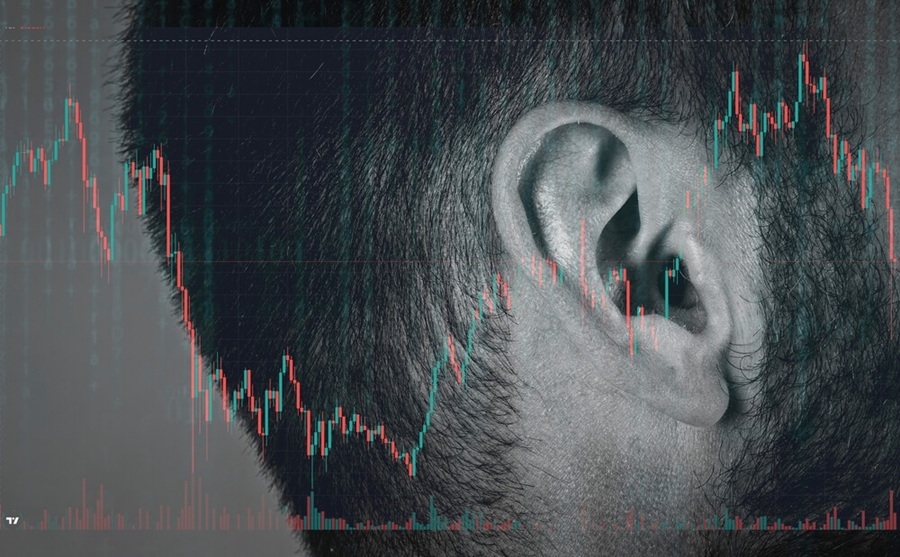
In financial markets, information is a powerful force. It can push asset prices sharply higher — or cause them to fall just as fast. However, not all information can be trusted. Rumors and unverified reports are a common part of market activity, and they can be especially risky for traders. These rumors may involve potential deals, upcoming financial results, changes in regulations, or even news about the health of influential political figures.
Such information can come from many sources, including anonymous online forums, social media, and so-called “insider” leaks. In many cases, these leaks turn out to be deliberately misleading. In today’s digital world, rumors spread incredibly fast, making it harder for traders to separate useful signals from noise.
Article content
Why Rumors Feel So Convincing
Human psychology plays a major role in how rumors spread — and how strongly they can move prices. One of the biggest drivers is the fear of missing out, better known as FOMO (Fear of Missing Out). When traders see an asset tied to a rumor start rising quickly, many feel strong pressure to jump in, afraid they’ll miss a profit opportunity. This often leads to rushed trades made without proper analysis.
Another common factor is confirmation bias — the tendency to look for information that supports what you already believe, while overlooking facts that point the other way.
There’s also the illusion of control: the feeling that you have special insight or “insider” knowledge. This can push traders to act on rumors with more confidence than the situation deserves, increasing risk and making them easier targets for manipulation.
Red Flags To Watch For
To avoid falling for disinformation, strong critical thinking is essential. When an interesting rumor appears, start by checking the source. Anonymous accounts, newly created social media profiles, and messages written in an overly emotional or aggressive tone should raise immediate concern. It also helps to ask whether the source has real expertise and a trustworthy track record.
The second clue is the level of detail. Vague or broad claims that include no specific figures, facts, or references to official documents often suggest speculation rather than reliable information.
The third clue is timing and context. Manipulative rumors often show up ahead of major announcements, during low-liquidity periods, or when markets are already unstable — conditions that allow misinformation to have the strongest impact.
How To Check A Rumor Before Trading
To make balanced trading decisions, traders should follow clear verification steps before acting on new information. Always start with official sources. For macroeconomic data, that means publications from central banks, statistical agencies, and international financial organizations.
It’s also important to consult several independent and reputable financial news outlets. Cross-checking helps you spot inconsistencies — or confirm when a claim has no reliable, independent backing.
Finally, compare the rumor with fundamental analysis. If it conflicts with long-term trends, key financial indicators, or technical analysis signals, its credibility should be treated with caution.
How To Protect Yourself From Rumor-Driven Moves
In a world where information spreads instantly, a resilient trading strategy is essential. This kind of strategy should be built on thorough analysis, not short-lived rumors. Traders should develop a clear plan with defined entry and exit points, supported by strict risk management rules.
Protective orders should always be used to limit potential losses if the market moves against expectations. Portfolio diversification is also crucial because it reduces dependence on the performance of a single asset or sector.
Ongoing education, stronger analytical skills, and disciplined critical thinking help traders not only separate facts from fiction but also use verified information effectively to make informed and potentially profitable decisions.
Stay Skeptical, Stay Consistent
Financial markets are shaped by a constant mix of information, psychology, and capital. In this environment, the ability to critically assess new data is one of the most valuable skills a trader can build.
Rumors will always be part of market life, but long-term success depends on how traders respond to them. A skeptical mindset, a habit of seeking confirmation, and a focus on verified facts should form the foundation of every trading decision.