If you’ve spent any time learning how to trade currencies, you’ve probably heard the saying, “Volume is king.” Many traders believe that Forex volume trading strategies can reveal what large institutions are doing before the rest of the market catches on. In theory, if you know where money is flowing, you can follow it and improve your trading decisions.
But there’s one problem — the Forex market doesn’t work the same way as stocks or futures. So does volume analysis actually work? Let’s separate myth from reality.
Article content
- 1 What Is Volume Trading?
- 2 Why Volume Matters in Financial Markets
- 3 How Forex Volume Differs From Stocks and Futures
- 4 What Is Tick Volume?
- 5 Can Tick Volume Be Useful?
- 6 The Truth About VSA in Forex
- 7 What Professional Traders Use Instead of Volume
- 8 Common Myths About Forex Volume
- 9 Forex vs Futures Volume
- 10 Conclusion
What Is Volume Trading?
Volume trading is a strategy that focuses on measuring market participation. The idea is straightforward — the more buyers and sellers actively entering the market, the more meaningful a price move becomes.
In traditional markets, rising prices combined with rising volume often indicate strong demand. Falling prices accompanied by high volume may suggest aggressive selling pressure.
The goal is to understand not only where prices are moving, but also how much participation is supporting that move.

Why Volume Matters in Financial Markets
In most financial markets, volume is the real tell. Price shows you what happened, but volume helps you figure out what was actually driving the move.
Think about a stock breaking above a key resistance level. If that breakout comes with heavy volume, traders are far more likely to trust it. Why? Because it signals that plenty of market participants are backing the move rather than just a handful of traders pushing prices around.
How Forex Volume Differs From Stocks and Futures
Unlike stocks, Forex is not traded on a centralized exchange. Instead, the market consists of a global network of banks, brokers, hedge funds, corporations, and institutional investors. This decentralized structure creates enormous liquidity, making Forex the world’s largest financial market.
However, it also creates a major limitation. There is no central exchange that collects and publishes complete transaction data. As a result, traders cannot see the true global volume being traded across the foreign exchange market.
This is one of the biggest misconceptions surrounding Forex volume. Many beginners assume their trading platform shows actual trading activity, when in reality it displays something entirely different.
What Is Tick Volume?
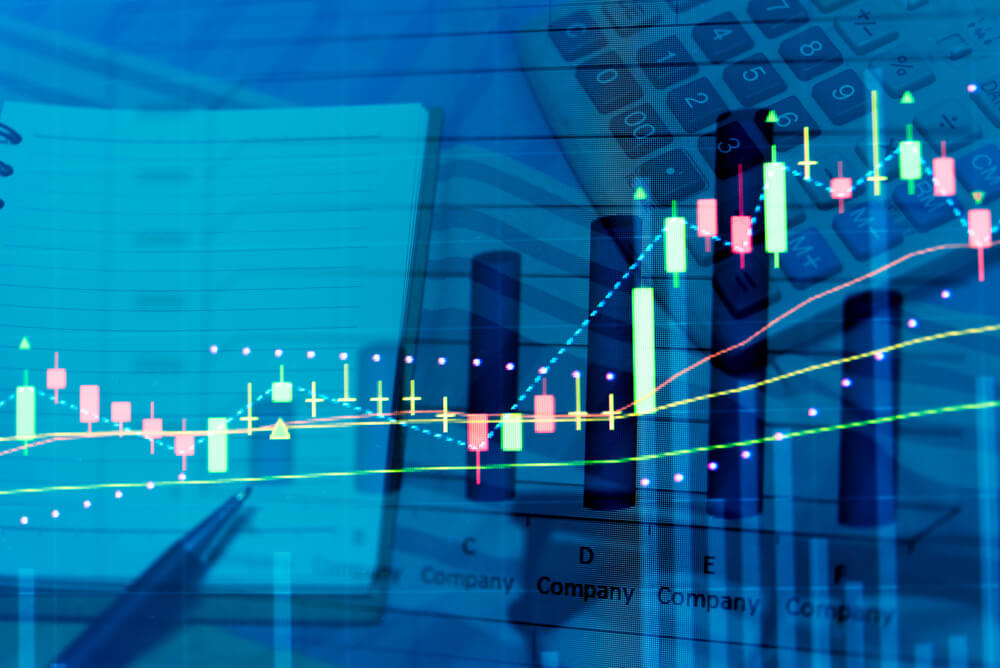
Since true trading volume is unavailable, most brokers provide tick volume instead. It measures the number of price updates that occur during a specific period.
Every time the bid or ask price changes, a new tick is recorded. The more frequently prices move, the higher the tick volume becomes. This means tick Forex volume data does not show how many contracts were traded. Instead, it shows how active the market was.
Imagine standing outside a busy stadium. You may not know exactly how many people are inside, but you can estimate activity by watching how many people are entering and leaving. That’s essentially how tick volume works.
Can Tick Volume Be Useful?
While tick volume is not the same as actual trading volume, it can still provide useful information when used correctly. Many popular Forex volume indicators used today are based on tick activity rather than actual transaction volume.
Session Activity
Tick volume often increases during major trading sessions, particularly when London and New York overlap. Higher activity levels typically mean greater participation, tighter spreads, and more trading opportunities. Monitoring tick volume can help traders identify when the market is most active.
Volatility Expansion
Large increases in tick volume frequently accompany periods of rising volatility. When both price movement and market activity accelerate simultaneously, traders may gain early clues that momentum is building. This doesn’t guarantee direction, but it can signal that conditions are changing.
Breakout Confirmation
Many traders use tick volume to evaluate breakouts. A breakout supported by rising activity often appears more convincing than one that occurs during a quiet trading session. Although tick volume cannot predict the future, it can provide valuable context for decision-making.

The Truth About VSA in Forex
One of the most popular volume-based methodologies is Forex VSA, short for Volume Spread Analysis. The method originated from the work of legendary trader Richard Wyckoff, who studied the relationship between volume and price movement. His ideas later evolved into what traders now know as volume spread analysis.
The theory suggests that institutional buying and selling can be identified by analyzing the interaction between price bars and volume. The problem is that traditional VSA was designed for markets with real volume data.
Forex traders only have access to tick volume. That doesn’t mean VSA is useless. It simply means traders should understand its limitations. Tick volume can offer valuable clues, but it should not be treated as a perfect representation of institutional activity.
What Professional Traders Use Instead of Volume
Many experienced traders focus on tools that do not depend on centralized volume data. Since the Forex market is decentralized, volume figures can vary from one broker to another. That’s why many traders prefer to read the market through price action and key levels, letting the charts do the talking. In the long run, this approach can help cut through the noise and keep the focus on what really matters.
Price Action
Price action remains one of the most reliable forms of analysis. Support and resistance levels, trend structure, and candlestick behavior often reveal important information about market sentiment. After all, price is the final result of every decision made by buyers and sellers.
Liquidity Analysis
Professional traders frequently focus on liquidity rather than volume. By identifying areas where stop-loss orders and pending orders are concentrated, traders can better understand where the market may move next. Liquidity often drives price movement more effectively than traditional indicators.
Market Structure
Market structure helps traders identify trends, reversals, and consolidation phases. Understanding higher highs, higher lows, lower highs, and lower lows can provide a clearer picture of market direction than many technical indicators.
Order Flow Proxies
Although true order flow trading is difficult in spot Forex, traders often use alternative data sources to estimate institutional behavior. These may include futures positioning, sentiment data, and intermarket analysis.

Common Myths About Forex Volume
There are several myths surrounding Forex volume that continue to confuse new traders. Understanding these misconceptions can help traders use volume data more effectively.
- Myth #1. Forex brokers provide real volume data. They don’t. Most brokers only provide tick volume, which reflects price changes rather than actual traded volume.
- Myth #2. Volume can predict future prices. Volume provides context, not certainty. It can support analysis, but it cannot reliably forecast market direction on its own.
- Myth #3. VSA works exactly the same in Forex as it does in stocks. Not always. Since Forex lacks centralized volume data, VSA signals may need to be interpreted differently.
- Myth #4. Volume analysis is useless in Forex. This is false. Tick volume can still offer useful insights when combined with other analytical tools.
Forex vs Futures Volume
Some traders seek more reliable volume information through CME futures volume. Currency futures traded on the Chicago Mercantile Exchange provide transparent transaction data because all trades occur on a centralized exchange.
However, it’s important to remember that CME data represents only a portion of global currency trading activity. While useful, it is not a complete picture of the Forex market.
Conclusion
The truth about Forex volume analysis is more nuanced than many traders realize. Because Forex is decentralized, true volume data is unavailable. Instead, traders rely on tick volume measurements that estimate market activity rather than actual transactions.
The key is knowing what the data actually represents. Successful trading isn’t about finding a magic indicator. It’s about putting together enough pieces of the puzzle to make informed decisions. Volume can be one of those pieces, but it should never be the entire picture.