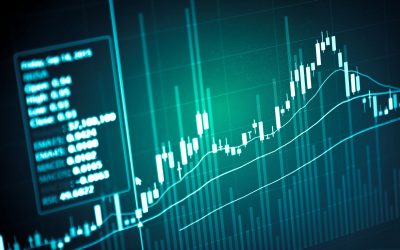
Silver plays a unique role in global markets, sitting at the intersection of industrial demand and precious metals trading. It is both a real economy metal and a financial asset, which makes its price behavior more complex than many other commodities. For traders, this creates a mix of opportunity and volatility that can be both rewarding and challenging when approached with the right strategy.
Because silver reacts not only to macroeconomic trends but also to industrial usage and investor sentiment, it often delivers sharper moves and clearer setups for those who know how to read the market. In this article, we’ll break down how to trade silver, what drives its price, and the key strategies and tools traders use to navigate the silver market in different conditions.
Article content
- 1 What Is Silver Trading?
- 2 Why Traders Choose Silver
- 3 What Moves Silver Prices?
- 4 Silver vs Gold: Key Differences for Traders
- 5 How to Analyze the Silver Market
- 6 Popular Silver Trading Strategies
- 7 Best Indicators for Silver Trading
- 8 When Is the Best Time to Trade Silver?
- 9 Risk Management for Silver Traders
- 10 Common Silver Trading Mistakes
- 11 Frequently Asked Questions
- 12 Conclusion
What Is Silver Trading?
Silver trading refers to speculating on the price of silver without necessarily owning the physical metal. Traders can participate through several instruments:
- Physical silver (coins, bars)
- CFDs
- Futures contracts
- ETFs linked to silver prices
Each method offers different levels of exposure, leverage, and risk, making silver accessible to both beginners and advanced traders interested in commodity trading.
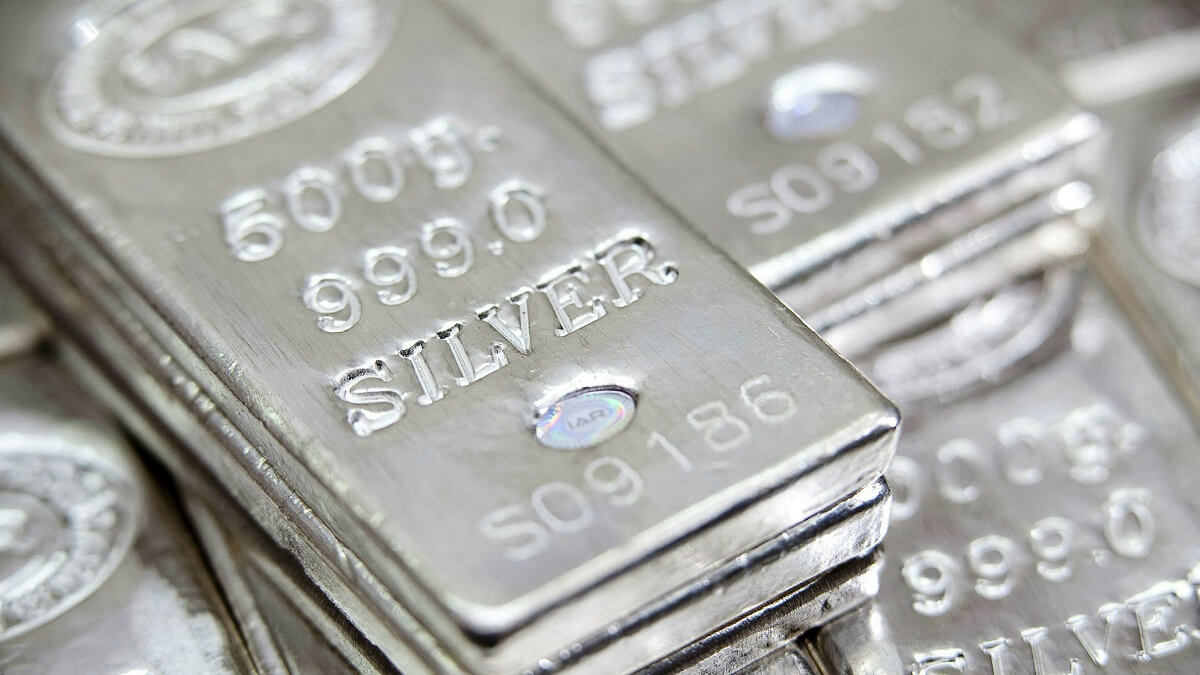
Why Traders Choose Silver
Safe-Haven Demand
Silver is often viewed as a partial safe haven asset, especially during periods of economic uncertainty. While not as dominant as gold, it still attracts capital when markets turn risk-off.
Industrial Demand
Unlike many other metals, silver has strong real-world usage. Demand from electronics, solar panels, and medical industries plays a major role in silver market trends.
Portfolio Diversification
Many investors use silver alongside gold to balance risk. Compared to gold, silver tends to be more volatile and often delivers faster, sharper price swings, which can create more short-term trading opportunities. At the same time, both metals tend to move in similar macroeconomic cycles, so traders often look at them together to get a clearer picture of broader precious metals sentiment.
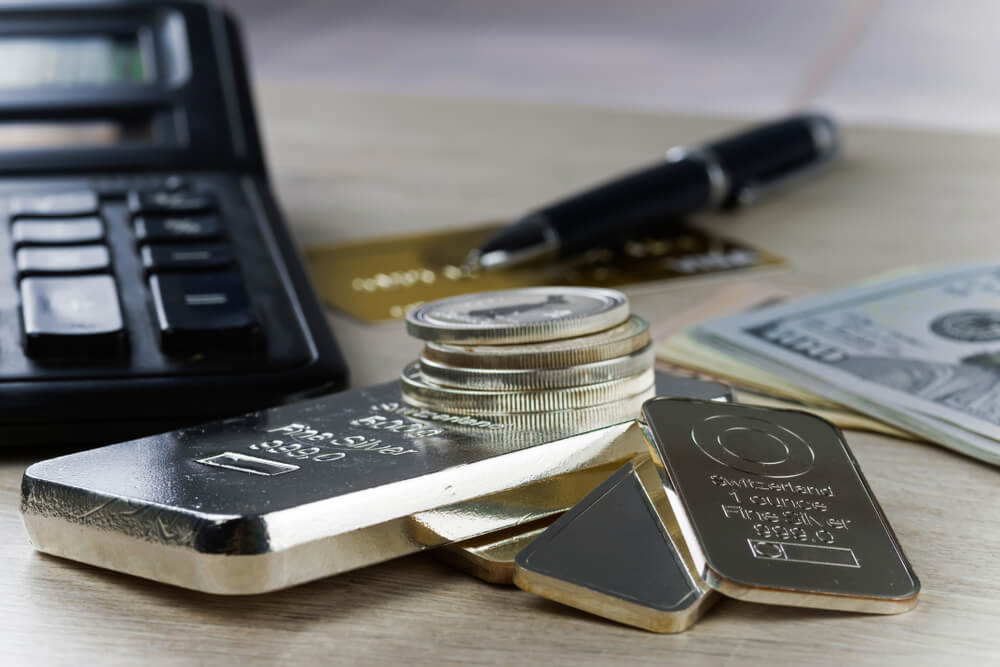
What Moves Silver Prices?
Understanding the silver market starts with the key forces behind price movement. Silver is highly sensitive to macro shifts, and even small changes in global sentiment can quickly move the needle.
U.S. Dollar Strength
Silver is priced in dollars, so a stronger USD often puts pressure on the metal, while a weaker dollar tends to support it. In many cases, the dollar sets the tone for the entire precious metals complex, acting as the headwind depending on direction.
Interest Rates and Federal Reserve Policy
Higher rates make yield-bearing assets more attractive, which can reduce demand for metals like silver. When rates rise, silver often takes a back seat as investors rotate into interest-bearing instruments, while a more dovish stance from the Fed tends to provide support.
Inflation Expectations
Rising inflation often boosts demand for precious metals. In many cases, inflation and silver prices move in the same direction as investors look for protection against purchasing power loss. Silver often benefits when inflation fears pick up, as it is seen as a potential hedge in uncertain environments.
Industrial Demand
Strong global growth typically increases industrial consumption, directly affecting industrial demand for silver. From solar panels to electronics, silver has real-world usage, so when the global economy is firing on all cylinders, demand can quietly build under the surface.
Gold-Silver Relationship
The gold-silver ratio is widely watched in silver market analysis, helping traders identify relative value opportunities between the two metals. When the ratio stretches too far in either direction, traders often see it as a signal that one metal may be undervalued relative to the other, opening the door for potential rebalancing moves.
Silver vs Gold: Key Differences for Traders
|
Factor |
Silver |
Gold |
| Volatility | Higher | Lower |
| Industrial Demand | High | Lower |
| Safe-Haven Status | Moderate | Strong |
How to Analyze the Silver Market
Fundamental Analysis
Silver fundamental analysis focuses on macroeconomics, supply and demand dynamics, and global industrial consumption. Traders monitor factors such as inflation, interest rates, Federal Reserve policy, economic growth, and manufacturing activity to understand the broader forces driving silver prices. Since silver is both a precious and industrial metal, keeping an eye on the bigger picture is often essential.
Technical Analysis
Traders use charts, price patterns, and indicators to identify potential entry and exit points. They commonly rely on support and resistance levels, trendlines, moving averages, RSI, and MACD to gauge momentum and market direction. Charts don’t predict the future, but they can help stack the odds in your favor.
Market Sentiment
Geopolitical events, central bank decisions, and major economic releases can quickly shift market sentiment and trigger sharp price swings. Sometimes sentiment becomes the tail that wags the dog, driving prices beyond what fundamentals alone might suggest.
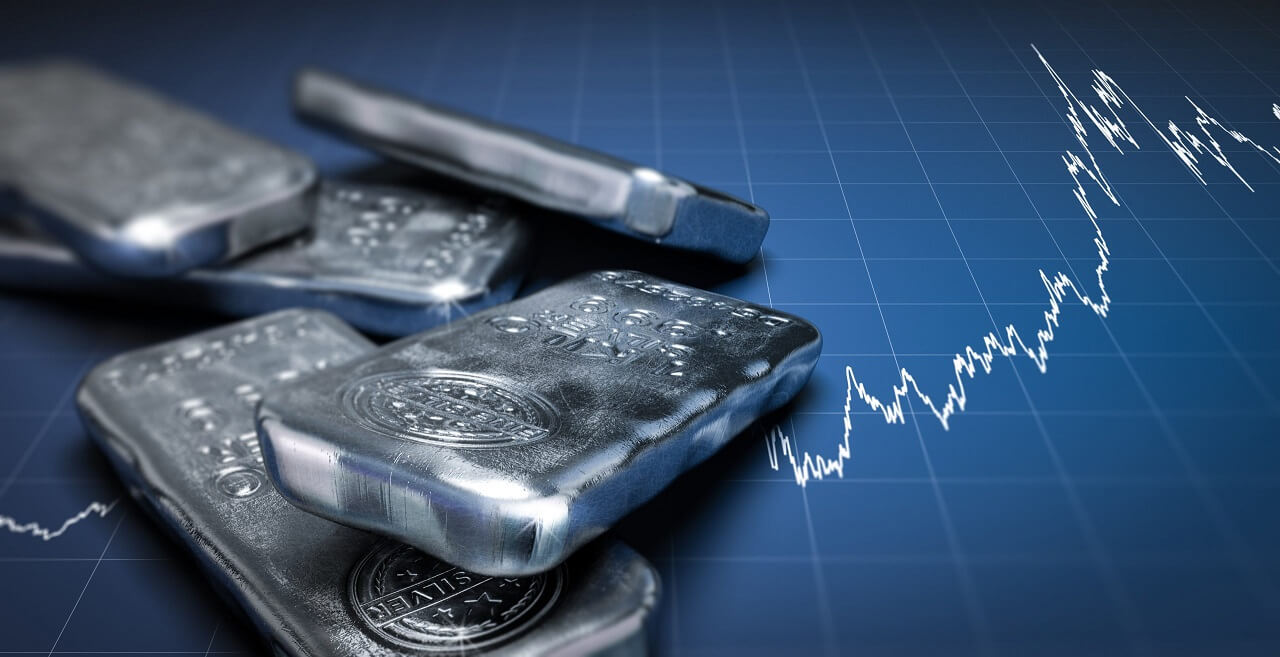
Popular Silver Trading Strategies
Trend Following
Ride the momentum when a clear direction forms — a classic silver trading strategy. Rather than trying to pick tops and bottoms, trend traders focus on moving with the market and staying in the trade for as long as the trend remains intact.
Breakout Trading
Enter when price breaks key support or resistance. Strong breakouts often occur after periods of consolidation and can signal the beginning of a larger move. Many traders use volume and momentum indicators for confirmation.
Swing Trading
Hold positions for several days or weeks to capture medium-term moves. Swing traders focus on broader market trends and key technical levels rather than day-to-day fluctuations, making this approach popular among part-time traders.
Support and Resistance Trading
A core approach in silver trading. Traders look for areas where price has historically struggled to move beyond, using these levels to identify potential entry, exit, and risk-management points.
News-Based Trading
This strategy focuses on reacting to economic releases, central bank decisions, and geopolitical developments that influence silver prices. Major news events can quickly change market sentiment and create significant trading opportunities.

Best Indicators for Silver Trading
Moving Averages
Moving averages help identify trend direction and filter out market noise. They are widely used to determine whether buyers or sellers currently have the upper hand. Many traders also use moving average crossovers to spot potential trend changes and confirm the strength of an existing move.
RSI
The Relative Strength Index (RSI) highlights overbought or oversold conditions. It can help traders gauge momentum and identify areas where a pullback or reversal may be developing. When RSI reaches extreme levels, it may signal that a trend is beginning to run out of steam.
MACD
MACD is useful for spotting momentum shifts and potential trend reversals. Many traders use it alongside other indicators to confirm signals before entering a position. The indicator can also help assess whether bullish or bearish momentum is gaining traction beneath the surface of the market.
Volume Analysis
Volume helps confirm whether price moves have real strength behind them. As traders often say, volume is the fuel behind the move — a breakout supported by strong volume is generally considered more reliable.
These indicators are among the most widely used tools and can provide valuable insight when combined with sound risk management and a well-defined strategy.

When Is the Best Time to Trade Silver?
Timing can play a major role in trading results. Silver tends to see the most activity during periods of high market participation and increased news flow:
- London session. Typically provides strong liquidity and steady trading activity as major market participants enter the market.
- New York session. Often delivers the largest price swings of the day, especially when it overlaps with the London session.
- Major economic releases. Inflation reports, Federal Reserve announcements, employment data, and other key U.S. indicators can trigger sharp moves and create short-term trading opportunities.
Periods of elevated liquidity and volatility often provide the most favorable trading conditions, as stronger market participation tends to produce clearer price action and more reliable trading setups.
Risk Management for Silver Traders
Successful silver trading is not just about finding good opportunities — it’s about protecting your capital when the market moves against you. Silver is known for sharp price swings, which makes risk management just as important as strategy selection.
Position Sizing
One of the most important rules in trading is to never risk too much on a single position. Many professional traders limit their risk to 1% or 2% of their account per trade. This approach helps prevent a series of losses from causing significant damage and allows traders to stay in the game long enough to benefit from future opportunities.
Stop-Loss Placement
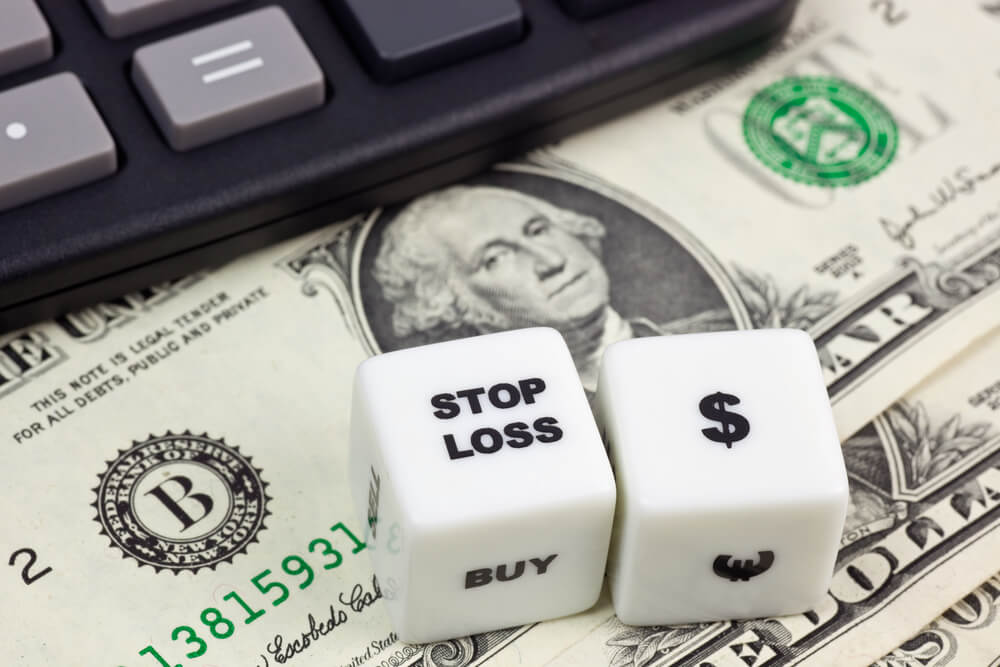
Using stop-loss orders is essential for controlling downside risk. A well-placed stop-loss defines the maximum acceptable loss before a trade is entered and removes much of the emotion from decision-making. In fast-moving markets, having a clear exit plan can mean the difference between a manageable loss and a costly mistake.
Managing Volatility
Silver can be one of the more volatile assets in the commodities market. Sudden moves driven by economic data, central bank announcements, or geopolitical developments are not uncommon. During periods of heightened volatility, many traders reduce position sizes, widen stop-loss levels appropriately, or wait for conditions to stabilize before entering new trades.
Reward-to-Risk Ratio
A strong reward-to-risk ratio helps traders remain profitable even if not every trade is a winner. Many market participants aim for a minimum ratio of 2:1, meaning the potential reward is at least twice the potential loss. Over time, this approach can help stack the odds in a trader’s favor and improve overall consistency.
Common Silver Trading Mistakes
Even the best trading strategy can fall apart if common mistakes keep creeping in. In silver trading, small errors can quickly snowball into larger losses, especially when volatility picks up. Here are some of the most common pitfalls that traders should avoid:
- Ignoring macroeconomic data
- Overleveraging
- Trading without a plan
- Treating silver like gold
- Ignoring volatility spikes
Frequently Asked Questions
Is silver good for beginner traders?
Yes, silver can be a good market for beginners because it is widely traded and offers plenty of learning opportunities. However, its price can move quickly, so proper risk management and disciplined position sizing are essential.
What affects silver prices the most?
Silver prices are primarily influenced by the strength of the U.S. dollar, interest rates, inflation expectations, and industrial demand. Market sentiment, geopolitical events, and central bank policy can also play a significant role in short-term price movements.
Is silver more volatile than gold?
Yes, silver is generally more volatile than gold and often experiences larger percentage price swings. While this can create more trading opportunities, it also increases risk and requires careful trade management.
Can silver be traded with CFDs?
Yes, silver can be traded using CFDs, allowing traders to speculate on price movements without owning the physical metal.
Conclusion
Silver offers traders a unique combination of opportunity, liquidity, and volatility. While its price can be influenced by everything from economic data and central bank policy to industrial demand and market sentiment, long-term success comes down to a few timeless principles: understanding the market, managing risk, and staying disciplined. Markets will always fluctuate, but traders who remain patient, stick to their plan, and keep emotions in check are often the ones who come out ahead over the long run.