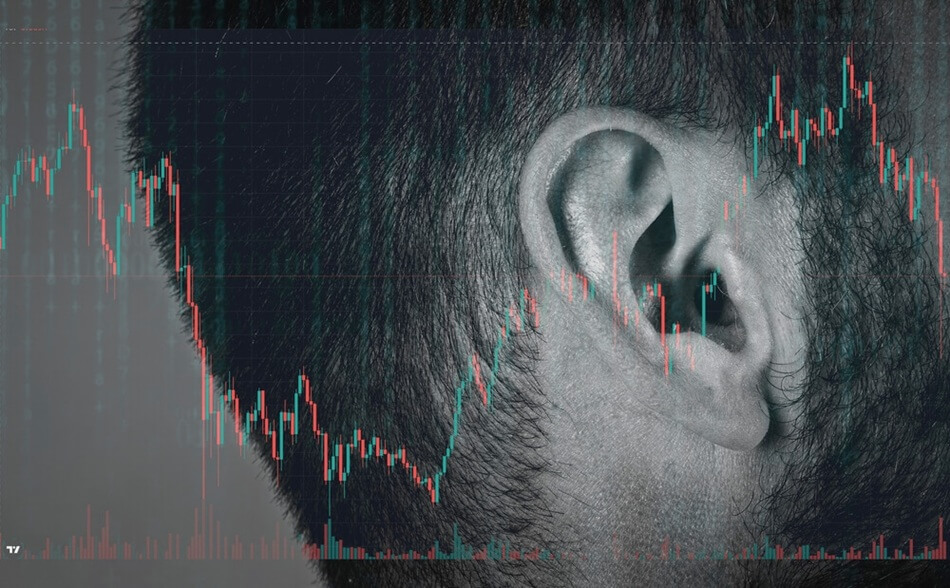
The modern forex market has changed dramatically. Thanks to super-fast algorithms and artificial intelligence, the way currencies move today is completely different from how they moved just a few years ago. Because of this, novice traders constantly run into a major dilemma: should you base your trades on official news that just happened, or on things you think will happen in the future?
In the trading world, these two styles are known as “trading the expectations” and “trading the facts.” Let’s break down the pros and cons of each.
Article content
How the Market Looks into the Future
Have you ever noticed that a currency’s price often moves significantly long before an official economic report even comes out? In the trading world, we call this “pricing it in.” It means the market has already absorbed all the rumors, clues, and predictions, and adjusted the asset’s price in advance. In 2026, this happens faster than ever thanks to AI networks that calculate probabilities with a speed human brains simply can’t match.
Trading on expectations means you are opening positions based on exactly these early clues. Traders try to jump in and grab a good entry price before the information becomes public knowledge. Basically, prices live in the future. The chart doesn’t show you what is happening right now, but rather where traders calculate the price will go. To pull this off, you have to watch forward-looking clues like business activity indexes, consumer confidence, and hints dropped during central bank speeches.
The “Sell the News” Trap
Trading on facts is a totally different ballgame. Here, you only work with officially verified data: GDP reports, interest rate decisions, or job market stats. At first glance, this sounds like a much safer strategy. But ironically, this is exactly where beginners get trapped by a sudden reversal. If a big economic report comes out and matches exactly what everyone expected, the price often doesn’t budge at all, or worse, it immediately crashes in the opposite direction.
Why does this happen? Because the big institutional players are cashing out. They use the rush of liquidity from beginners who are “buying the news” to easily exit their own trades and take their profits. When the official fact is confirmed, the mystery is gone, and so is the reason to keep holding the trade. So, the moment the expected news hits, it actually becomes an exit signal rather than an entry signal. This is exactly what confuses and frustrates so many new traders.
Trading Tech in 2026
The biggest reality check of today’s market is that artificial intelligence runs the show when it comes to reading the news. Modern trading systems can instantly scan the tone of a press release and process massive chunks of financial data in milliseconds. This totally wipes out any speed advantage you might have thought you had. The game is no longer about who gets the breaking news first; it’s about who has the best models to predict what the news actually means.
What does this mean for you? Well, a few years ago, the market might take a couple of hours to “digest” a news event. Today, the reaction is violent and instant. Trading the exact moment a fact drops is incredibly tough right now — your internet connection speed and avoiding slippage are make-or-break factors. For most everyday traders, this means you need to change your tactics. Instead of trying to outclick a bot, wait a few seconds. Let the initial chaos end, see where the real supply and demand zones settle, and then make your move.

Don’t Let the Hype Fool You
Anticipation is exciting, but it creates a lot of emotional hype that can push currency prices to crazy, unjustified extremes. Today, this “FOMO” effect is only made worse by social media sentiment and opinion trends. If you want to trade on expectations, you have to perfectly time the moment a positive or negative scenario is already fully “priced into” the chart.
Jumping into a trade just because everyone online is hyped up is a great way to lose your shirt right when the big money decides to take their profits. You have to understand the difference between a real economic trend and a “hype bubble” that is going to pop the second the official stats drop. Today’s market demands a cool head. You have to be able to tune out the noisy internet hype and focus on the real fundamental shifts.
How to Combine Both Approaches
To actually get consistent results, you need to combine both approaches and know exactly when to use them. Trading on expectations takes a lot of context. You have to read between the lines of what central banks are saying. It can be highly profitable, but it comes with a big risk if your guess is wrong. Trading on facts, meanwhile, requires strict discipline and a solid understanding of how market liquidity works.
If you want an effective strategy in 2026, stick to these three principles. First, before the news hits, take the market’s temperature to see if it’s already “overheated” so you can guess the potential direction. Second, you must use stop-loss orders to protect your account from wild, account-blowing price spikes the second the data drops. And finally, third, never jump into the market in the very first seconds of a news release, even if your prediction was 100% right on the money.

The Bottom Line
At the end of the day, the difference between these two strategies is just how you handle uncertainty. Trading the expectations is about playing the probabilities. Trading the facts is about dealing with reality, which takes fast reflexes and zero emotion.
The winner in today’s market isn’t the trader who hears the news first. The winner is the trader who accurately figures out what the rest of the market believed right before the official numbers dropped. Finding that perfect sweet spot between anticipation and confirmation is the true secret to making it as a pro.