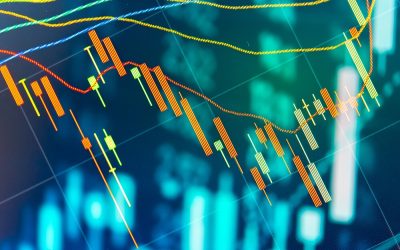
Have you ever wondered if the colors on your screen are secretly influencing your trades? The answer is a massive yes. It sounds crazy, but color psychology in trading plays a huge role in whether you win or lose. The flashing colors on your charts can quietly trigger your emotions, hijack your focus, and completely shift your appetite for risk. It isn’t magic — it’s just biology.
Let’s dive into exactly how chart colors affect traders, and a surprisingly simple trick to fix it.
Article content
Why Colors Influence Trading Psychology
You don’t need a degree in neuroscience to know that different colors make us feel different things. What you see on your screen can instantly trigger panic, pull you into a false sense of security, or completely throw off your game plan. It happens before you even place a trade.
Here is a quick cheat sheet on how our brains naturally react to the color spectrum:
- Red, orange, and yellow. Think of these like a double shot of espresso. They excite the mind, spike your heart rate, and put you on high alert.
- Blue and violet. These are your “chill out” colors. They naturally calm your nerves and can actually help you slow down and think clearly.
- Green. This is the ultimate neutralizer. It usually relaxes us, but on a trading chart, it often acts as a massive psychological green light.
Red vs Green: How Traders React Differently
On trading platforms, colors act like simple signals, helping traders quickly understand what’s happening and decide how to react.
- Red. Like a stop sign or a flashing warning light, it tells market participants to pause, take a deep breath, and think twice before acting.
- Green. Like a green traffic light or a tailwind, it nudges traders forward, boosting confidence and encouraging them to seize opportunities.
- Blue. Like a calm sky, this color helps stay focused, think clearly, and make decisions without emotional noise.
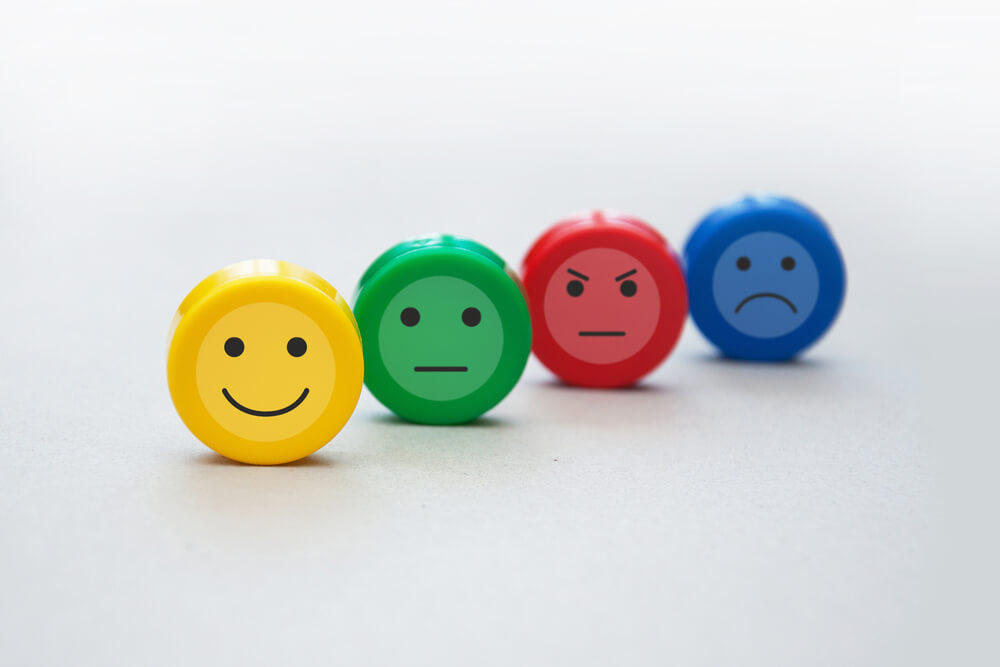
Research, including studies from the Swedish House of Finance, shows how red vs green trading psychology subtly shapes trader behavior. Knowing that helps market participants focus on data instead of emotions, keeping their choices clear and disciplined.
How to Reduce Emotional Bias in Trading
Now that you understand how colors affect trading decisions, here are practical tips to reduce emotional trading bias:
Neutral Chart Setup
Think of your trading chart like a road map for your money. Using black-and-white or grayscale charts is like turning off flashy neon signs; it keeps your mind calm and focused, so you don’t get distracted by every red or green candle. Instead of letting colors steer your emotions, rely on indicators like moving averages (MAs) to guide your route. Experiment with different color setups and watch how your trading psychology visual bias changes. It’s like finding the perfect pair of glasses that helps you see the market clearly and trade smarter.
Real Trading Examples
Switching to a neutral chart can help you stay calm when the market gets wild. By relying less on red and green signals, traders can reduce emotional trading triggers and are unlikely to make impulsive moves during sharp price swings.
Common Mistakes Traders Make
Too many traders let chart colors call the shots. Red makes them panic, green makes them overconfident, while the real trend slips by unnoticed. Sticking to default candle colors? That’s like letting your emotions trade for you.
Does color affect trading decisions? Absolutely. Should you change chart colors when trading? Yes. A simple tweak can make a real difference. Being aware of how colors affect your mood helps reduce emotional bias and keeps your trading more rational.