Let’s be honest — trading on a “gut feeling” might sound exciting, but in the real world, long-term success comes down to a clear, structured game plan. That’s where Forex data analysis comes in. By turning chaotic market information into clear, actionable insights, you can dramatically boost your trading profitability.
In this article, we’ll ditch the complex jargon and explore how looking at the right data can help you spot high-probability setups, avoid emotional trading, and build a strategy that actually works. Grab a cup of coffee, and let’s dive in!
Article content
What Is Data Analysis in Forex Trading?
Simply put, data analysis in Forex trading is the process of gathering and interpreting market data to make smarter trading decisions. It’s all about replacing guesswork with hard facts. By looking at the math behind the moves, you can easily identify fresh opportunities, manage your risk, and trade with confidence.
Types of Data Traders Use
Before we jump into the core pieces of Forex analysis, it helps to understand the different types of data traders use to read the market and make smarter moves.
- Historical price data. Used for chart patterns and forecasting.
- Volume-related data. Shows market participation and momentum.
- Macroeconomic data. Includes rates, inflation, GDP, and jobs.
- Sentiment data. Reflects positioning and market mood.

Key Methods of Data Analysis
Statistical Analysis
This type of data leans on historical price action, volatility, moving averages, and probability models to spot recurring market patterns and gauge where prices might head next. Think of it as turning market noise into something measurable. It helps traders cut through emotions, stay objective, and make more data-driven calls when building and running their strategies.
Correlation Analysis
It zooms out to see how currencies and other markets “dance together,” helping traders avoid stepping on the same risk twice without noticing. By watching how assets move in sync, or drift apart, it’s easier to spot hidden connections, double-check trade ideas, and build a portfolio that isn’t all eggs in one basket, but spread out and steady.
Backtesting
Backtesting a Forex strategy is basically your system’s “trial run on history.” You take it back in time, run it through past market data, and see how it would’ve performed: profits, drawdowns, all of it, before risking real money.
It’s like rehearsing before going on stage: you figure out what works, what flops, tighten your entry and exit rules, and make your approach more consistent so you’re not just guessing when it’s game time.
Machine Learning
With machine learning in Forex, it’s like giving traders a supercharged radar that can pick up hidden patterns buried in huge piles of data, stuff traditional analysis would easily miss. It doesn’t just learn once and stop; it keeps adjusting as the market shifts, like a system that’s always “adapting on the fly.”
Over time, it can sharpen forecasts and improve trading signals, making strategies more flexible and responsive, less rigid playbooks, and more living systems that move with the market instead of chasing it.
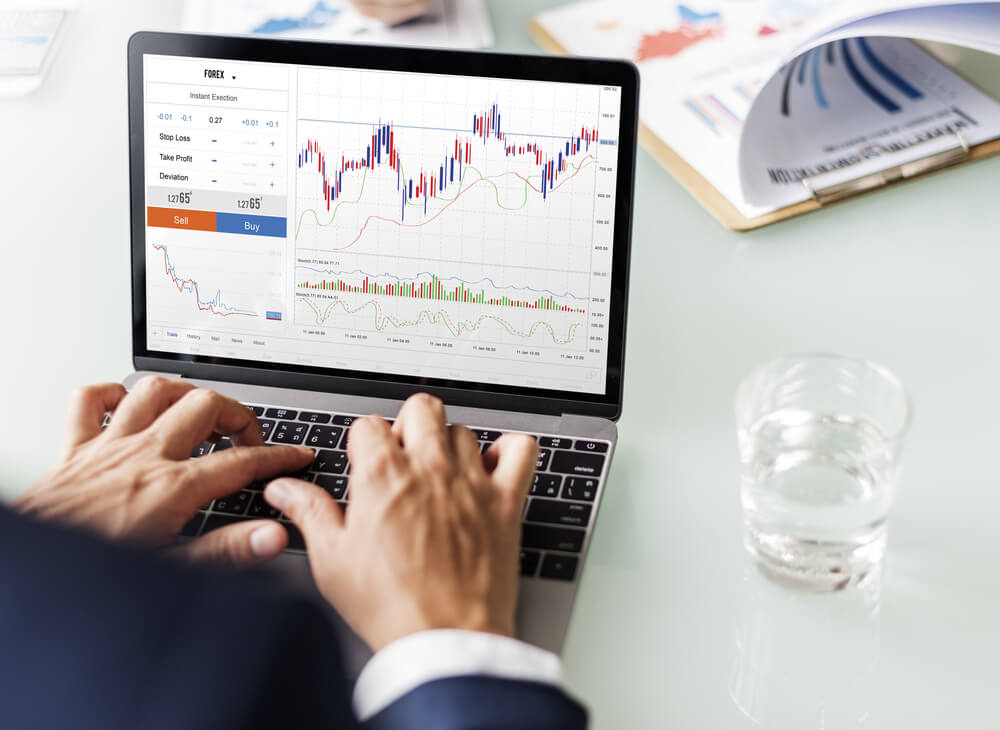
How to Apply Data Analysis in Trading (Step-by-Step)
Applying data analysis to trading takes a structured, disciplined approach, more like following a roadmap than winging it. Each step builds on the last, turning raw market data into something you can actually act on, while keeping decisions consistent and under control. Think of it as a simple, repeatable workflow:
- Define a goal. Get clear on what you’re trying to improve.
- Collect data. Gather the relevant market and economic info.
- Identify patterns. Look for behaviors that tend to repeat.
- Test hypotheses. Check whether those patterns actually hold up statistically.
- Backtest. Run the strategy on historical data to see how it performs.
- Refine continuously. Tweak and improve based on real results.
Real Example: Using Data in a Forex Trade
When ECB decision day rolls around, a trader doesn’t just guess what EUR/USD might do, they look back at how it’s behaved in similar moments before. The data shows a pretty consistent reaction: roughly a 45-pip move on average.
After backtesting that behavior, they shape it into a clear setup and size the risk based on real stats, not hope or intuition. So instead of trying to “call” the market, they’re basically following a playbook the market has already written, just executed with discipline.

Common Mistakes in Data Analysis
Even with all the fancy tools and massive datasets at their fingertips, traders still fall into a few classic traps that can quietly chip away at Forex trading profitability. The most common issues are:
- Overfitting strategies to past data
- Ignoring how quickly market conditions can shift
- Leaning too hard on automation without keeping a human eye on things
Best Tools for Forex Data Analysis
In quantitative Forex trading, platforms like MetaTrader, TradingView, Python tools, and institutional data feeds work like a trader’s command hub, pulling everything together in one place. From real-time data and advanced charts to algorithm-building tools, they help traders test ideas, automate the routine stuff, and really get under the hood of market behavior.
Conclusion
Data analysis helps take trading out of “gut feeling” territory into something much more structured and grounded in evidence. Instead of reacting emotionally to every market move, traders can read the market more objectively, stay consistent in their approach, and make decisions that actually hold up over time.