Many traders enter the market expecting excitement, fast profits, and constant action. At first, every chart looks like an opportunity, every price move feels important, and every trade brings an adrenaline rush. Then something changes.
The excitement fades. Trading starts to feel repetitive. You spend hours watching charts and waiting for setups that never come. Suddenly, you’re asking yourself: Why is trading boring now when it used to be exciting?
The answer often has less to do with the market and more to do with trading psychology. Let’s look at the most common reasons traders lose motivation and what separates successful traders from those who burn out.
Article content
- 1 Is Trading Supposed to Be Exciting?
- 2 Reason #1: Unrealistic Expectations
- 3 Reason #2: You Are Overtrading
- 4 Reason #3: Trading Has Become Emotional
- 5 Reason #4: Lack of a Structured Trading Plan
- 6 Reason #5: Trader Burnout
- 7 Why Professional Trading Often Feels Boring
- 8 How to Stay Motivated Without Chasing Excitement
- 9 Common Psychological Mistakes Traders Make
- 10 Conclusion
Is Trading Supposed to Be Exciting?
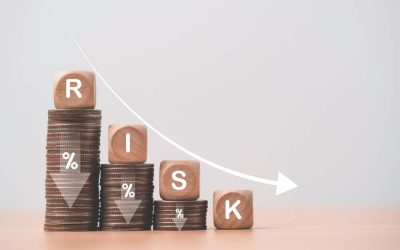
One of the biggest misconceptions is that trading should feel exciting. Professional trading rarely looks like the movies. There is no constant action, no dramatic decisions, and no endless stream of winning trades. Instead, successful trading is built on:
- Risk management
- Patience
- Consistency
- Repetition
- Process-driven decision-making
In reality, the better your trading discipline, the more boring trading often becomes. Professional traders spend most of their time waiting, not trading. That’s why many beginners experience frustration when they realize that profitable trading is more about following a routine than chasing excitement.

Reason #1: Unrealistic Expectations
Social media has created unrealistic expectations about what trading should look like. Every day, traders see screenshots of massive gains, luxury lifestyles, and stories about turning a small account into a fortune overnight.
What they don’t see are the losses, the months of preparation, and the countless hours spent developing skills. This creates unrealistic trading expectations that often lead to disappointment.
The Myth of Constant Profits
Many beginners believe that successful traders win every day. They don’t. Even seasoned traders experience losing streaks. The difference is that they understand losses are part of the business. When traders expect constant profits, normal market conditions start to feel boring and frustrating.
Reason #2: You Are Overtrading
Why More Trades Do Not Mean More Profit
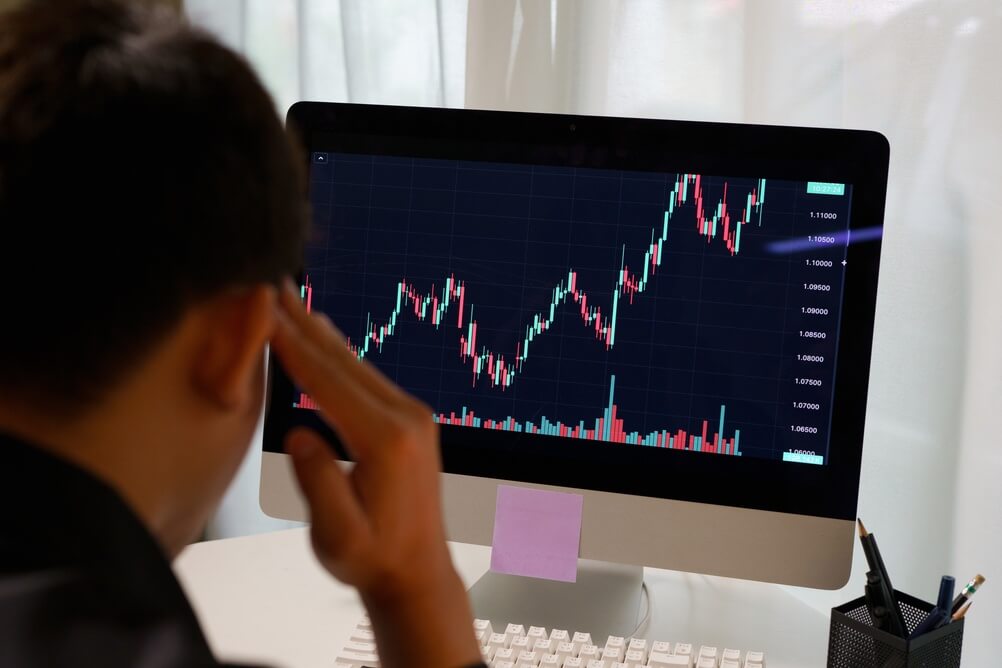
One of the fastest ways to damage your account is overtrading. Many traders mistake activity for productivity. They believe more trades automatically create more opportunities. The opposite is often true.
The best opportunities are usually limited. Taking mediocre setups simply because you’re bored often reduces overall trading performance.
Recognizing Overtrading Behavior
Overtrading rarely happens overnight. It usually starts when traders feel the need to stay busy. Instead of waiting for high-quality setups, they begin forcing trades, chasing every market move, and looking for opportunities where none exist.
Reason #3: Trading Has Become Emotional
Revenge Trading
Few behaviors are more dangerous than revenge trading. After a loss, many traders immediately try to win their money back. They abandon their strategy and start making impulsive decisions. This is one of the most common psychological mistakes in trading.
FOMO
Fear of Missing Out affects traders at every level. You see a market moving higher, feel like you’re being left behind, and jump into a trade without a proper plan. The result is usually poor entries and unnecessary risk.

Reason #4: Lack of a Structured Trading Plan
Why Random Trading Creates Frustration
Without a plan, every decision becomes stressful. Random trading creates uncertainty because there is no framework for evaluating success or failure. A trader without a plan is simply reacting to the market.
The Role of Process-Based Thinking
Professional traders focus on execution rather than outcomes. A good trade can lose money. A bad trade can make money. What matters is whether you followed your process. This shift in thinking is essential for building a strong trader mindset.
Reason #5: Trader Burnout
Symptoms of Burnout
Many traders don’t notice they’re running on empty until their results begin to suffer. What starts as a lack of motivation can quickly turn into poor decisions, frustration, and declining performance. Common signs include:
- Mental exhaustion
- Lack of motivation
- Difficulty concentrating
- Emotional decision-making
- Constant frustration with the market

How Burnout Affects Decision-Making
When trading fatigue builds up, decision quality declines. Traders become impatient, ignore risk management rules, and start forcing trades. This often leads to bigger losses and even more frustration.
Recovery Strategies
Recovering from burnout often requires doing less, not more. Taking a step back from the markets for a few days can help restore focus and improve decision-making. Many traders benefit from reducing screen time, reviewing their strategy with a fresh perspective, and shifting their attention away from constant market activity.
The goal is to rebuild productive habits and regain confidence in the trading process. In many cases, the best trade is no trade at all until you’re mentally ready to return.
Why Professional Trading Often Feels Boring
Most successful traders aren’t constantly buying and selling. They’re waiting. Waiting for conditions to align, waiting for a setup that fits their plan, and waiting for an opportunity that offers a clear edge.
They understand that forcing trades usually leads to mistakes, while patience tends to produce better results. What separates long-term winners from everyone else isn’t excitement or intuition — it’s the ability to follow a process day after day, regardless of market conditions.

How to Stay Motivated Without Chasing Excitement
Staying motivated in trading comes down to structuring boredom into your process on purpose. Set a rule that your only goal each day is to execute A-grade setups — or do nothing if they don’t appear — and treat both outcomes as a win. Track missed or skipped trades the same way you track executed ones, so patience becomes measurable, not abstract.
Limit how often you look at charts by checking them only at fixed times, not impulsively, to break reactive behavior. Over time, shift your focus from “I need to make money today” to “I need to follow my plan perfectly today.” Disciplined execution is what actually leads to profits in the long run. When your process is solid, the money becomes a result of doing things right — not a separate goal you have to chase at every moment.
Common Psychological Mistakes Traders Make
Many traders struggle not because of their strategy, but because of the habits they develop over time. Chasing excitement instead of consistency, jumping from one strategy to another, comparing results with other traders, and neglecting risk management are some of the most common mistakes. Emotional decision-making can make matters even worse, especially when trades are placed out of frustration, impatience, or simple boredom.
The challenge is that these behaviors often become routine and go unnoticed until they begin affecting performance. Learning to recognize these patterns early is an important step toward becoming a more disciplined trader.
Conclusion
If trading feels boring, it may actually be a sign of progress. As traders gain experience, the focus shifts away from excitement and toward risk management and disciplined execution. Long-term success rarely comes from chasing action — it comes from following a repeatable process, controlling emotions, and making sound decisions over and over again. Ultimately, trading is not about staying entertained. It’s about staying profitable.