Have you ever noticed how a single late-night headline or a breaking news alert can send the markets on a rollercoaster ride? In today’s highly connected world, geopolitics is one of the biggest driving forces behind market trends. For modern traders, knowing how to read the news isn’t just a bonus skill. It’s essential for protecting your money. Today, the price of gold, oil, or a currency pair is just as likely to be moved by a politician’s statement as it is by a traditional economic report.
You don’t need a degree in international relations to be a successful trader, but you do need to understand how to filter out the noise. Let’s break down how you can read between the lines and spot the real trading opportunities.
Article content
Why Do Markets Freak Out Over the News?
Markets absolutely hate surprises. When a headline introduces uncertainty — like a conflict brewing in a region that produces a lot of oil — the market’s algorithms and traders immediately start bracing for the worst-case scenario. This panic often causes sharp spikes in oil and gas prices, which can in turn spark fears of inflation.
It’s an entirely natural chain reaction: Geopolitical tension makes supply chains look vulnerable. Nervous investors pull their money out of risky assets and move it into “safer” investments. Essentially, global news acts like a giant traffic cop, redirecting billions of dollars from one sector of the economy to another.
Decoding “Diplomat Speak”: Words Matter
If you want to trade the news, you have to crack the code of diplomatic language. There is a massive difference between a headline that says, “Officials are considering their options,” and one that says, “A decision has been made to implement measures on Monday.”
The first phrase is often just a verbal intervention. Politicians use it to see how the market — or their opponents — will react. Markets might respond to these vague statements with a quick little spike, but it usually fades fast. However, if a headline uses definitive verbs and gives specific timelines, that’s actionable information you need to pay attention to.
Pro Tip: Pay attention to who is doing the talking. Quotes from “anonymous government sources” are often intentional leaks designed to prep the market for a big announcement. Always ask yourself: Who benefits from this information being released right now?
Tariffs, Trade Wars, and Your Portfolio
Geopolitics isn’t just about global conflicts; it’s largely about money. News regarding new sanctions or trade tariffs will directly impact corporate profits.
When you see tariff news, ask yourself about the scale of it. Is this a targeted sanction that hits a few specific companies, or is it a massive, industry-wide restriction? Buzzwords like “protectionism” and “trade war” can signal to traders that global economic growth might be slowing, which could mean it’s time to reassess your active trades.
Keep in mind that it often takes months between the first threat of a tariff and its actual implementation. During that waiting period, markets get incredibly volatile. For a prepared trader, that volatility means opportunity.
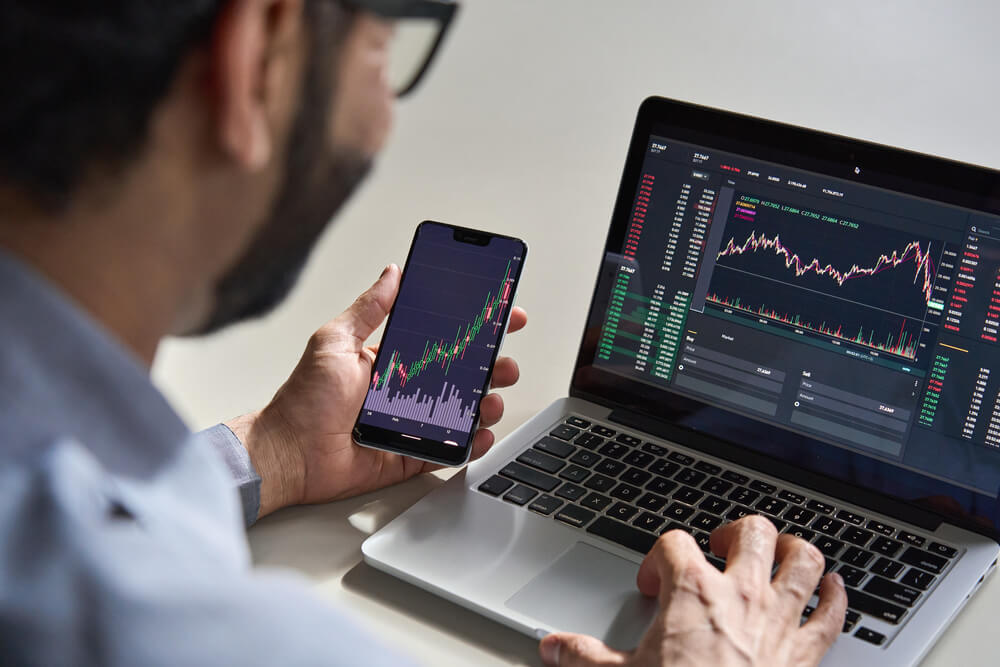
When global panic peaks, investors hit the emergency button and move their cash into “safe-haven” assets. Traditionally, these include Gold, the Swiss Franc, and U.S. Treasury bonds.
When scary headlines hit, money floods into these assets, giving their prices a “fear bump” — what professionals call a geopolitical premium. But be ready! The second the headlines shift from “threats” to “seeking compromise” or “peace talks,” that fear premium vanishes. Investors pull their money out of gold and go back to riskier, higher-reward investments.
Learning to spot the exact moment the news shifts from aggressive to friendly can help you figure out when to lock in your profits before a price correction begins.
How to Filter the Noise (And Avoid Market Traps)
The 24/7 news cycle is exhausting, and a lot of it is designed to trigger your emotions. To trade successfully, you have to turn down the volume. Here is a simple, two-step filter for breaking news:
- Verify the source. Don’t base a trade on one sensational tweet. Cross-check it with major financial news agencies.
- Follow the money. Look at your charts. If a headline sounds apocalyptic but the actual trading volume is flat, it’s a trap. If the big institutions aren’t putting their money where the headline is, you shouldn’t either.
Trading geopolitical news requires a cool head. Remember that loud, dramatic headlines aren’t just reporting the truth — they are often part of a broader game designed to manage market expectations. Stay objective, follow the actual money flows, and remember that behind every dramatic headline is a major player trying to shift the odds in their favor. Your job? Catch the trend and ride along with them.