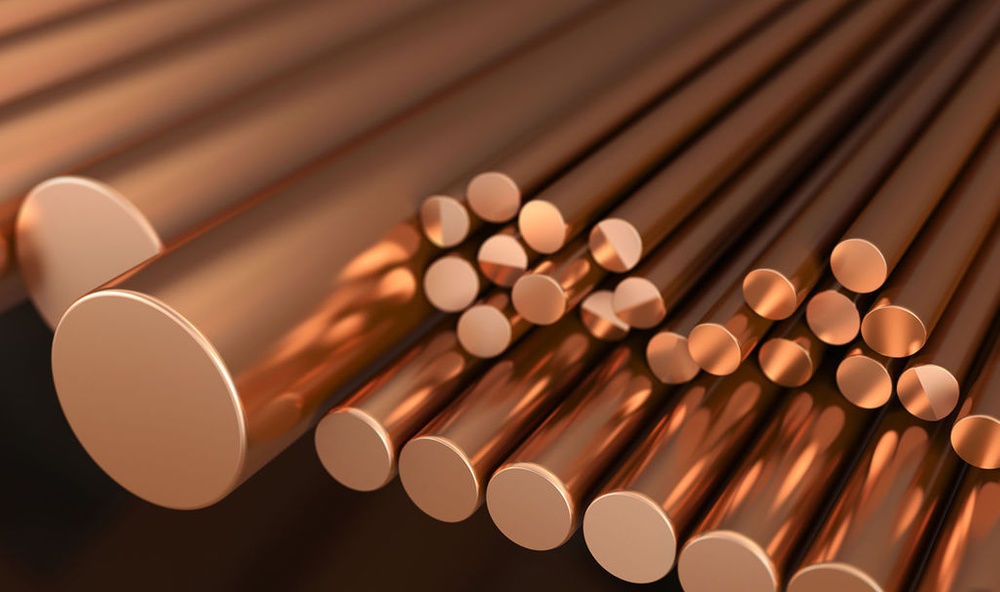
Between 2021 and 2026, copper and aluminum markets experienced significant volatility due to post-pandemic recovery, inflationary pressures, and technological shifts. Copper prices rose sharply as supply struggled to meet growing demand from electric vehicles and renewable energy. Aluminum saw price surges driven by energy costs and demand for lightweight industrial materials.
Traders should focus on the copper price forecast 2026, the aluminum market outlook, and key drivers such as China’s industrial activity, inflation, and global interest rates to make informed decisions. In this article, we’ll break down the key factors driving commodities prices and explore strategies to trade these markets effectively.
Article content
Why Copper and Aluminum Prices Changed
Demand
Global industrial demand rebounded sharply in 2021, particularly in construction, automotive, and renewable energy sectors. Copper became critical for electric motors and batteries, while aluminum benefited from the growing need for lightweight materials in vehicles and aviation. Strong growth in the EV and AI sectors continues to support copper prices over the long term. Aluminum demand drivers, such as expanding wind and solar infrastructure, are boosting the metal’s market outlook.

Inflation and Interest Rates
Rising inflation and interest rate hikes from major central banks between 2022 and 2023 temporarily pressured metal prices. Higher costs slowed industrial production and reduced short-term demand. However, easing pandemic restrictions and targeted stimulus measures in China partially offset this slowdown, stabilizing prices.
China
China’s role as both a major producer and consumer has been a key factor in commodity pricing. Policy decisions, infrastructure spending, and industrial output in China heavily influenced global metals market trends during this period.
Copper Market Analysis
Supply Deficit
A copper supply deficit in 2025 emerged as production struggled to keep up with rising global demand. The shortage pushed prices higher and opened opportunities for traders to take advantage of the tight market.
EV/AI Demand
The transition to electric vehicles and the adoption of AI technologies have made copper essential for modern industrial applications. Long-term investors should monitor structural shifts in these sectors, as they are expected to sustain prices even during economic slowdowns.

Aluminum Market Analysis
Energy Costs
Aluminum production is highly energy-intensive, making costs a key factor. Rising global electricity and fuel rates contributed to earlier price surges and continue to shape the aluminum price outlook.
Supply Cycles
Aluminum prices are also influenced by supply cycles and infrastructure growth in transportation and renewable energy. While recycling and improved production efficiency have emerged, their immediate effect on markets remains limited.
Price Forecast (2026–2030)
Copper prices are expected to remain elevated due to ongoing demand from EVs and renewable energy, even with potential supply expansions. Aluminum is likely to see moderate growth, driven primarily by industrial demand and production costs. Сlosely monitoring macroeconomic indicators and supply chain developments will be essential for navigating these markets successfully.
What It Means for Traders
To develop profitable aluminum and copper trading strategies, traders should focus on the interplay between economic cycles, inflation, and commodity-specific factors. Both assets respond not only to industrial demand but also to currency fluctuations and interest rate changes. Understanding these dynamics is key to developing effective approaches that balance risk and capitalize on market opportunities.
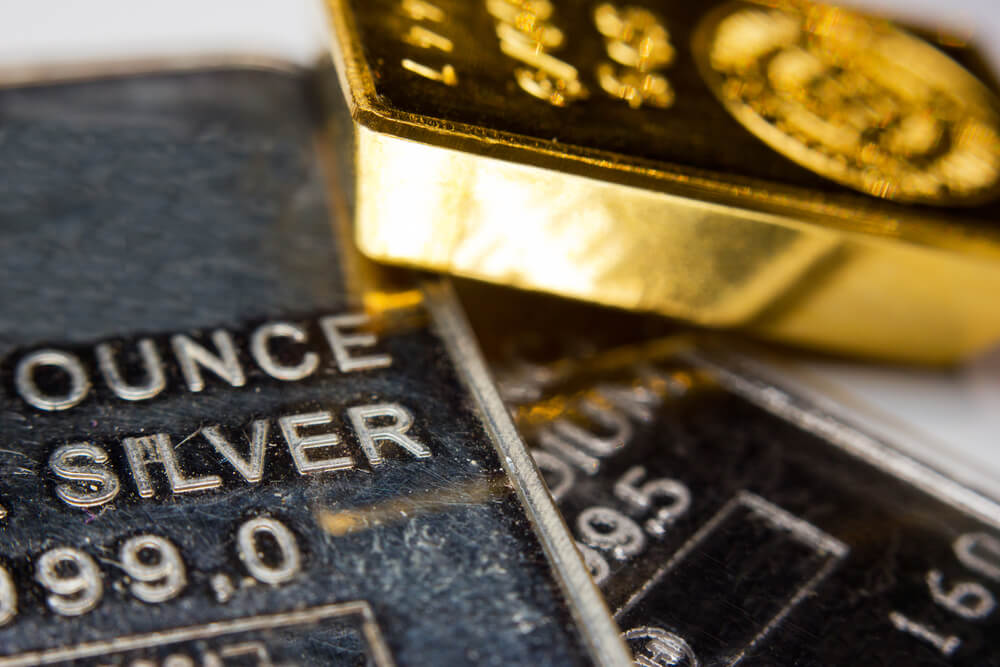
Trading Strategies for Metals
- Track the global economic cycle. Monitor economic policy in China and the U.S., industrial conditions, and central bank rate changes.
- Capitalize on technological trends. Focus on structural shifts like EV and renewable energy growth.
- Monitor supply chain conditions. Short-term price swings often present trading opportunities.
- Hedge against currency risks. Prices are USD-denominated; account for exchange rate impacts in trading strategies.
FAQ
Why are copper prices rising?
Prices are climbing due to strong EV/AI demand, post-pandemic industrial recovery, and a copper supply deficit in 2025.
What are the main aluminum demand drivers?
Major aluminum demand drivers include energy-intensive industries, lightweight vehicle and aviation production, as well as renewable energy infrastructure.
How do metals impact inflation?
Rising commodity prices increase manufacturing costs, which in turn drive up global inflation.
How can traders approach copper and aluminum markets?
Traders can build effective strategies by integrating copper market analysis, aluminum price outlook, careful monitoring of supply-demand dynamics, and close attention to macroeconomic trends.