
Crypto never sleeps. While stock traders wait for the opening bell, Bitcoin is already making moves somewhere in the world. That’s one reason why cryptocurrency trading can seem exciting — and overwhelming at the same time.
The good news? You don’t need to be a market wizard to get started. Understanding the basics, managing risk, and following a simple plan can put you miles ahead of most beginners.
Article content
- 1 What Is Cryptocurrency Trading?
- 2 How the Cryptocurrency Market Works
- 3 How Beginners Can Start Trading Crypto
- 4 Popular Cryptocurrency Trading Strategies
- 5 Key Chart Patterns Every Beginner Should Know
- 6 Technical Indicators for Crypto Traders
- 7 Risk Management in Cryptocurrency Trading
- 8 Common Beginner Mistakes
- 9 Crypto Trading Psychology
- 10 Sample Beginner Trading Plan
- 11 Frequently Asked Questions
- 12 Conclusion
What Is Cryptocurrency Trading?
Cryptocurrency trading involves buying and selling digital assets to profit from price movements. There are three main ways to trade:
Spot Trading
Buy and own the actual cryptocurrency, which is then stored in your wallet. If the price goes up, you profit when you sell; if it falls, the value of your holdings declines. This approach is generally considered the simplest way to invest in cryptocurrencies for the long term.
CFDs
CFDs let you trade on crypto price movements without owning the asset itself. You can go long or short, making it possible to profit in both rising and falling markets. These contracts are often used by short-term traders seeking flexibility and access to leveraged positions.
Perpetual Futures
Perpetual futures track crypto prices and allow traders to use leverage, often with no expiration date. They can boost potential returns, but leverage also increases the risk of large losses or liquidation. These contracts are popular among experienced traders who actively manage risk and market exposure.

How the Cryptocurrency Market Works
Market Hours and 24/7 Trading
Unlike traditional financial markets, crypto trading never stops. The market operates 24/7, allowing traders to react to news and opportunities in real time. The flip side is that volatility can strike at any moment, making risk management essential.
Liquidity and Volatility
Bitcoin and Ethereum generally offer deep liquidity, while smaller coins can experience dramatic swings. A coin can rally 15% in the morning and give most of it back by dinner. That’s simply the nature of crypto market volatility.
Major Cryptocurrencies vs Altcoins
Bitcoin often sets the tone for the entire market. However, altcoins can offer larger percentage gains — along with greater risk. For beginners, starting with major cryptocurrencies is usually the safer route.
How Beginners Can Start Trading Crypto
Choose a Trading Platform
If you’re wondering how to start trading cryptocurrency, the first step is choosing a reliable exchange or broker with strong security, competitive fees, and a proven track record. Not all platforms are created equal, so take some time to compare your options. The right platform can help you get started on the right foot and make navigating the crypto market much easier.
Open and Fund an Account
Start small. There’s no reason to go all-in on day one. Many new traders make the mistake of risking too much capital before they understand how the market works.
Build a Trading Plan
Every successful trade starts with a clear plan. Every trader should know:
- When to enter
- When to exit
- How much to risk
- Where to place a stop-loss
Without a plan, emotions usually take the wheel.

Popular Cryptocurrency Trading Strategies
Many successful traders rely on simple crypto trading strategies rather than complicated systems. The best strategies are often built around consistency, risk management, and clear rules rather than complex indicators. Finding an approach that matches your goals and trading style is often the key to long-term success.
Trend Following
“The trend is your friend” remains one of the oldest sayings in investing. When applying trend-following crypto trading systems, market participants look for assets that make higher highs and higher lows and ride the momentum until signs of weakness appear.
Swing Trading
This approach involves holding trades for several days or weeks to capture larger market moves. Instead of chasing every price fluctuation, traders focus on the bigger picture and aim to profit from broader market trends. Swing trading is often favored by those who want more flexibility and don’t have time to monitor the markets throughout the day.

Breakout Trading
A breakout crypto strategy aims to enter a trade when the price breaks through a key support or resistance level. Strong breakouts often occur after periods of consolidation, when volatility has been compressed and momentum begins to build. Many traders look for increased trading volume to confirm the strength of a breakout before entering a position.
Range Trading
When markets move sideways, traders buy near support and sell near resistance. Understanding these levels is crucial for this approach, as these zones often act as key turning points for price action. Rather than chasing every move, range traders focus on capturing opportunities within a defined trading range.
Dollar-Cost Averaging (DCA)
This is one of the best crypto trading strategies for beginners because it removes much of the guesswork. Instead of trying to time the market, investors commit fixed amounts at regular intervals. This approach helps smooth out volatility and keeps emotions from taking the wheel.
Key Chart Patterns Every Beginner Should Know
Recognizing crypto trading patterns can help traders identify potential opportunities, improve timing, and gain a better understanding of market sentiment. While no pattern guarantees success, these formations are among the most widely used by market participants.
Head and Shoulders
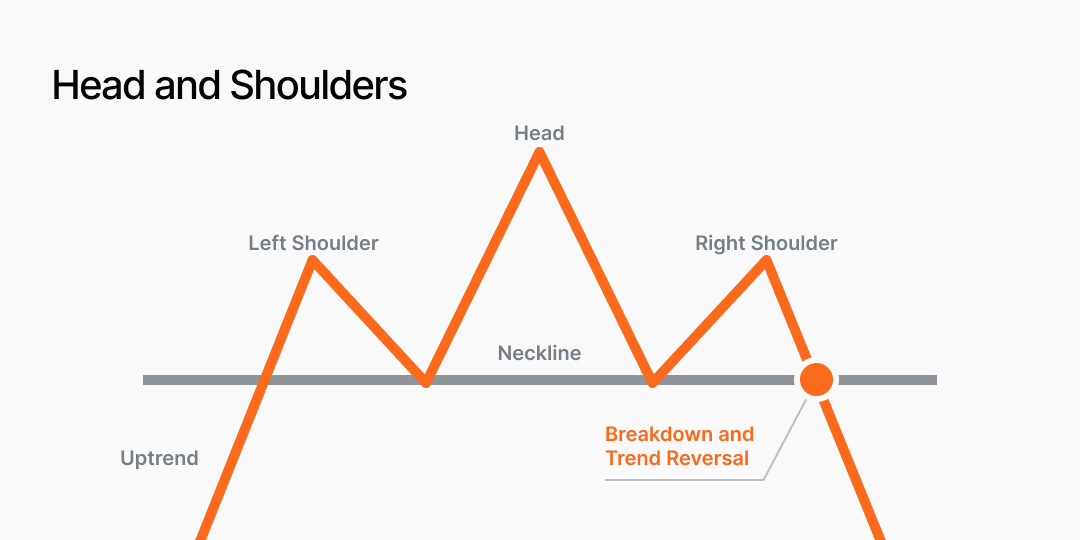
This classic pattern often signals a trend reversal after a strong move higher. It forms when the market creates three peaks, with the middle peak higher than the other two. Many traders view it as a warning that bullish momentum is fading and the trend may be running out of steam.
Double Top and Double Bottom
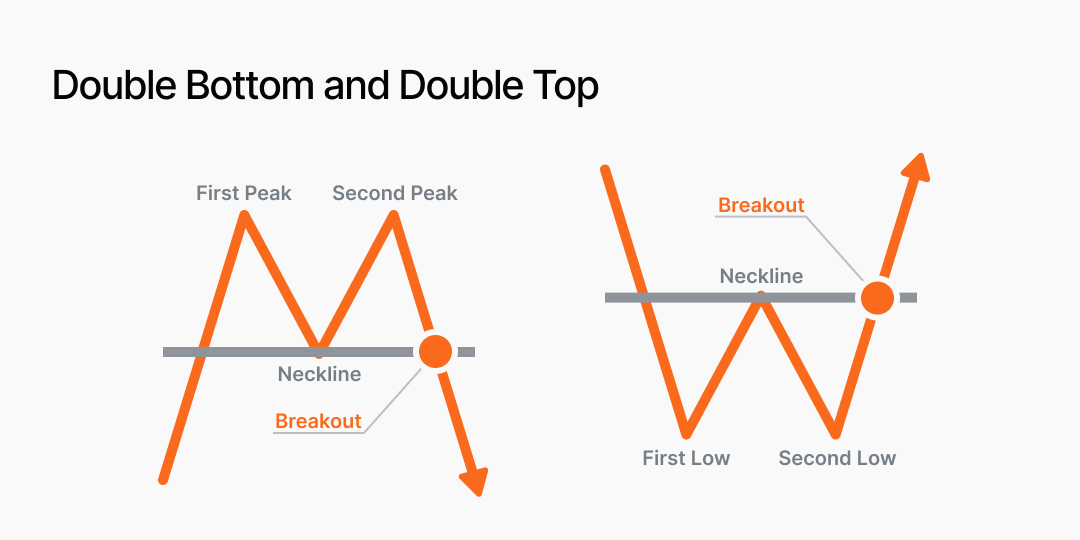
These popular crypto chart patterns can indicate that a trend is losing momentum and may be about to reverse. A double top often appears near market highs, while a double bottom is commonly seen after extended declines. Both patterns help traders identify potential turning points.
Triangles
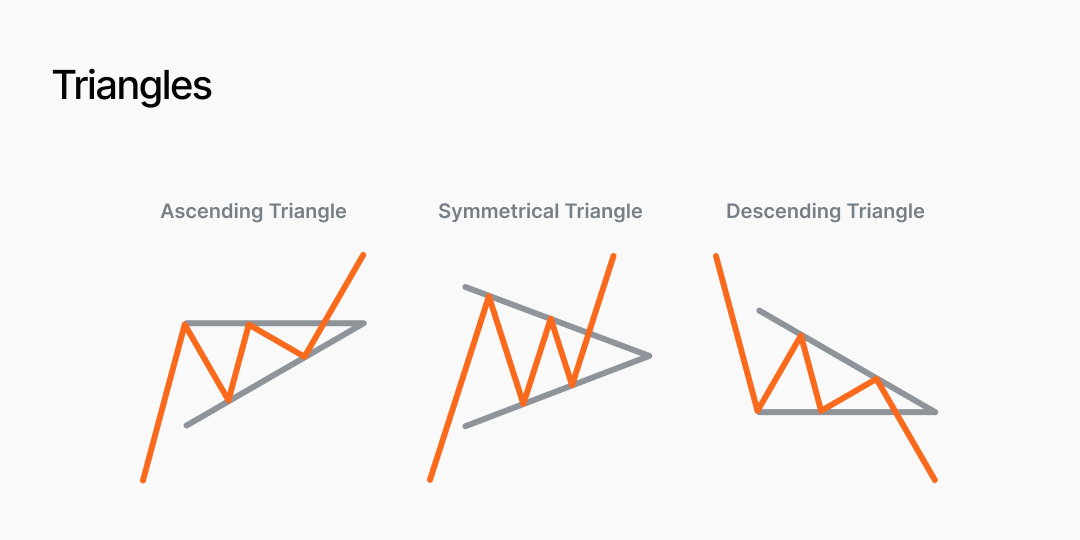
Triangle formations frequently develop before significant breakouts. As price action becomes increasingly compressed, traders watch for a move beyond support or resistance to signal the next direction. These patterns often appear when the market is deciding its next move.
Flags and Pennants
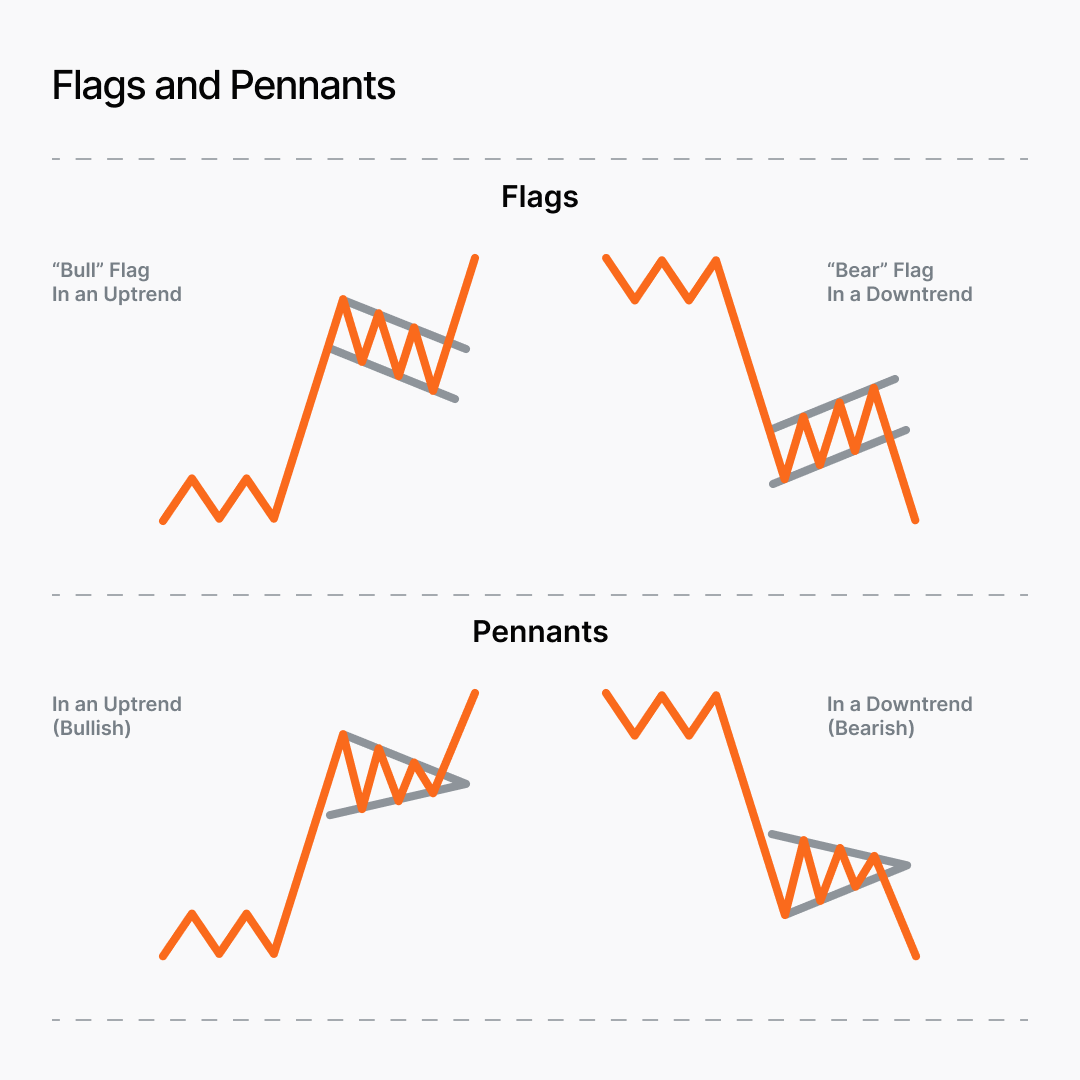
These continuation patterns suggest that a trend may resume after a brief pause. They typically form following a strong price move and represent a period of consolidation before the market attempts to move higher or lower again.
Cup and Handle
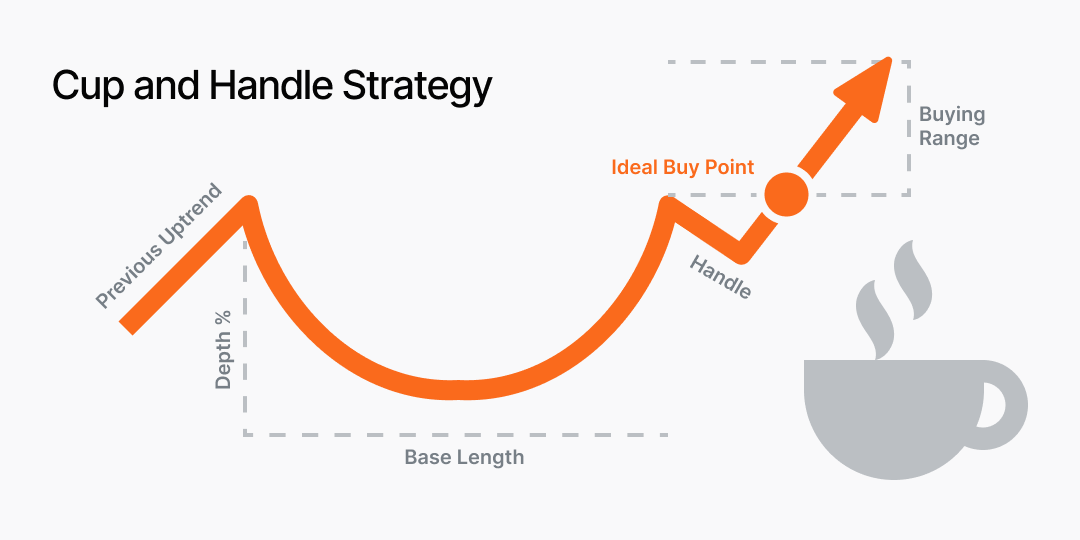
A bullish pattern is frequently seen before upward breakouts. The rounded “cup” reflects a gradual recovery, while the “handle” represents a short consolidation phase. Many traders consider this formation a sign that buyers are preparing for another leg higher.
Technical Indicators for Crypto Traders
RSI
The Relative Strength Index (RSI) measures momentum and helps identify overbought or oversold conditions. When RSI moves into extreme territory, it can signal that a trend is running out of steam and a pullback may be around the corner.
Moving Averages
Moving averages help traders identify trends and filter out market noise. They are often used to determine whether buyers or sellers have the upper hand and can help traders avoid getting caught on the wrong side of the market.
MACD
MACD is one of the most popular crypto trading indicators for tracking momentum. Traders use it to spot changes in market direction, identify potential trend reversals, and gauge whether bullish or bearish momentum is gaining traction.
Volume Analysis
Volume often confirms whether a breakout has real strength behind it. As the saying goes, “volume is the fuel behind the move.” A breakout accompanied by strong volume is generally considered more reliable than one that occurs on weak trading activity.

Risk Management in Cryptocurrency Trading
The first rule of trading isn’t making money — it’s protecting your capital. Strong risk management helps traders survive long enough to develop their skills and stay in the game for the long run. Here are a few practical guidelines that can help reduce risk and improve consistency over time:
Using Stop-Loss Orders
Understanding how to apply stop losses in crypto trading is essential. This type of order limits potential losses if the market moves against you. If you’re trading without one, you’re basically driving without a seatbelt.
Position Sizing
Many professionals risk only 1% to 2% of their account on a single trade. This helps ensure that no single loss can significantly damage overall capital. Proper position sizing is one of the most important foundations of long-term survival in the market.
Reward-to-Risk Ratio
Aiming for at least a 2:1 reward-to-risk ratio helps keep the odds in your favor. In simple terms, traders look to make at least twice as much as they are willing to lose on each trade. Over time, this asymmetry can make even a modest win rate profitable.
Managing Volatility
Successful risk management means adjusting position sizes during periods of extreme volatility. When markets become more erratic, reducing exposure can help avoid being caught in sudden and unpredictable price swings.

Common Beginner Mistakes
Many common crypto trading mistakes are surprisingly easy to avoid. In most cases, they stem not from the market itself, but from emotions, lack of planning, and inconsistent risk management. Below are some of the most frequent pitfalls traders should watch out for:
- Overtrading
- FOMO buying
- Ignoring stop-losses
- Using excessive leverage
- Blindly following influencers
FOMO has probably blown up more trading accounts than bad analysis ever did. Chasing a rally after it’s already taken off is like trying to jump onto a train that’s leaving the station.
Crypto Trading Psychology
Mastering trading psychology can be just as important as mastering chart analysis. In many cases, it’s not the strategy that fails — it’s the trader’s mindset that gets in the way.
Managing Emotions
Fear and greed drive many poor decisions. When markets move fast, it’s easy to get swept up in the moment and act on impulse. As the saying goes, “don’t let your emotions call the shots.” Successful traders learn to stay calm under pressure and avoid chasing every move.
Building Discipline
Professional traders stick to the plan even when emotions are running high. Discipline means following your rules consistently — not changing them mid-trade. It’s about keeping a steady hand when the market tries to shake you out of position and avoiding the temptation to overtrade.
Avoiding Revenge Trading
Trying to win back losses immediately often leads to even bigger losses. This “get-even mindset” can quickly spiral out of control. Smart traders step back, reassess, and wait for a clean setup instead of forcing trades out of frustration.

Sample Beginner Trading Plan
A simple plan is all about keeping things clear, structured, and easy to follow. Instead of overcomplicating the process, the goal is to build consistent habits, manage risk properly, and stay disciplined while learning how the market behaves. Below is a straightforward framework to get started:
- Trade Bitcoin and Ethereum
- Use a 4-hour chart
- Follow the trend
- Risk 1% per trade
- Use stop-losses
- Target a minimum 2:1 reward-to-risk ratio
- Keep a trading journal
Frequently Asked Questions
Is crypto trading suitable for beginners?
Yes, provided beginners start small and focus on learning before chasing profits.
How much money do I need to start?
You can start crypto trading with only $100 on your trading balance.
What is the safest crypto trading strategy?
Dollar-cost averaging is often considered the safest approach for new traders.
Can beginners make money trading crypto?
Yes, but success requires patience, discipline, and realistic expectations.
What is the difference between investing and trading?
Investing focuses on long-term growth, while trading seeks to profit from shorter-term price movements.

Conclusion
Learning how to trade cryptocurrency isn’t about predicting every market move. It’s about managing risk, sticking to proven approaches, and steadily improving over time.
Successful traders aren’t always the smartest in the room — they’re the ones who stay disciplined, keep emotions in check, and follow strict rules. Build those habits early, and you’ll be much better equipped to handle whatever the market throws your way.